What Are the Key Elements of Documentary Production?
Documentary production is an art form built on telling real stories well. What actually turns an idea into something worth watching comes down to a handful of key elements. Get these right, and you'll make something that actually lasts.
Research and Topic Selection
A good documentary starts with real research and a topic that actually connects with an audience. Start by digging into possible topics to find a hidden story or a real, unique angle.
Look at other documentaries to see what's already been covered. That can spark a fresh take, or show you where your story can actually stand apart.
Talking to experts or people connected to the subject brings in deeper insight. Those conversations often surface an angle you wouldn't have found otherwise.
Focus on what's actually relevant and what it can actually do. Choosing a topic is about more than personal interest, it's about finding something that makes an audience think, feel, and act. The best documentaries challenge how people see something, put a real issue in front of them, and get people genuinely engaged.
Scriptwriting and Storyboarding
A script and a storyboard shape a documentary's structure and keep it flowing clearly. A well-built script anchors the film and acts as a roadmap, making sure everything actually gets covered. Whether you're following a person or an event, clarity matters.
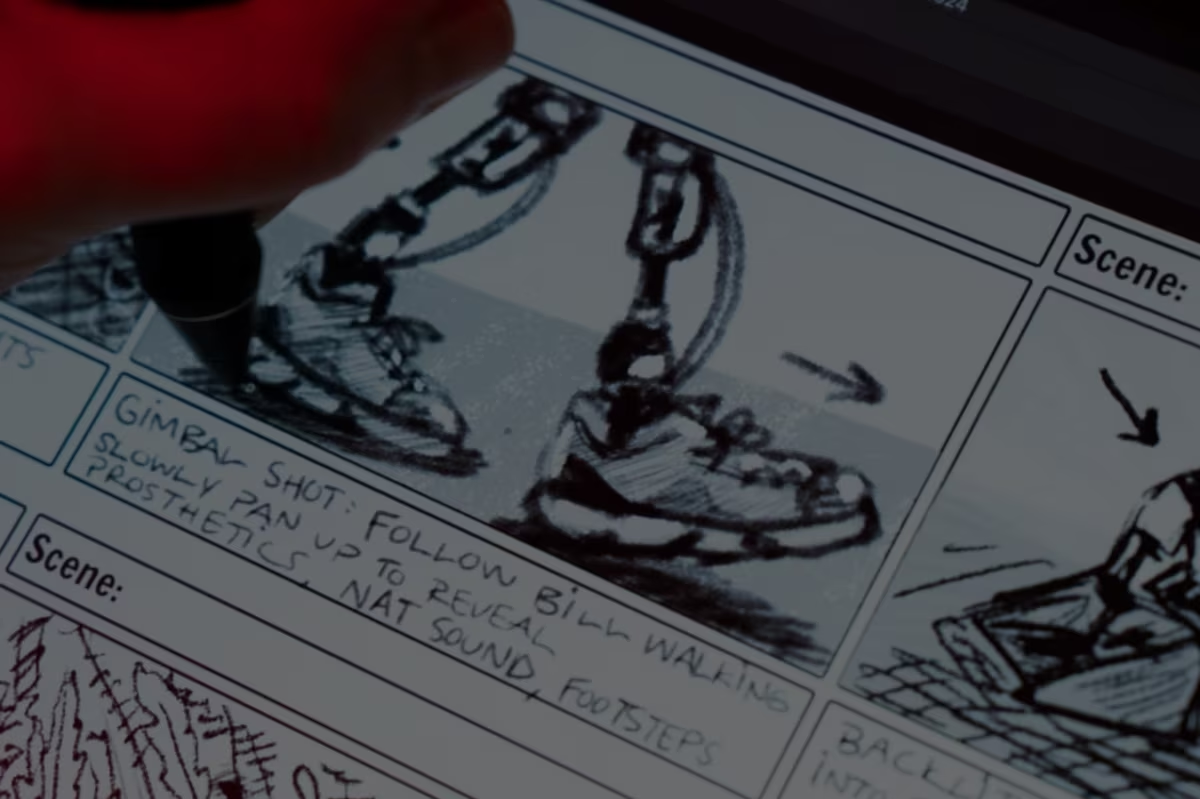
Storyboarding matters too. It lets you see each scene and how it moves into the next. That visual map keeps a production organized and focused on the real message.
A script isn't set in stone. As you gather footage, new ideas will come up, and that's fine. Staying flexible in how you tell the story can lead to something even deeper.

Filming Techniques and Equipment
Good technique and real equipment are essential for capturing strong visuals and clean audio. Strong visuals are the backbone of any documentary, so real cameras and microphones genuinely change how an audience experiences the film.
Mix up your filming techniques to lift the story. Combining interviews, narration, and ambient footage builds something richer. Try different shots and angles to bring the story to life.
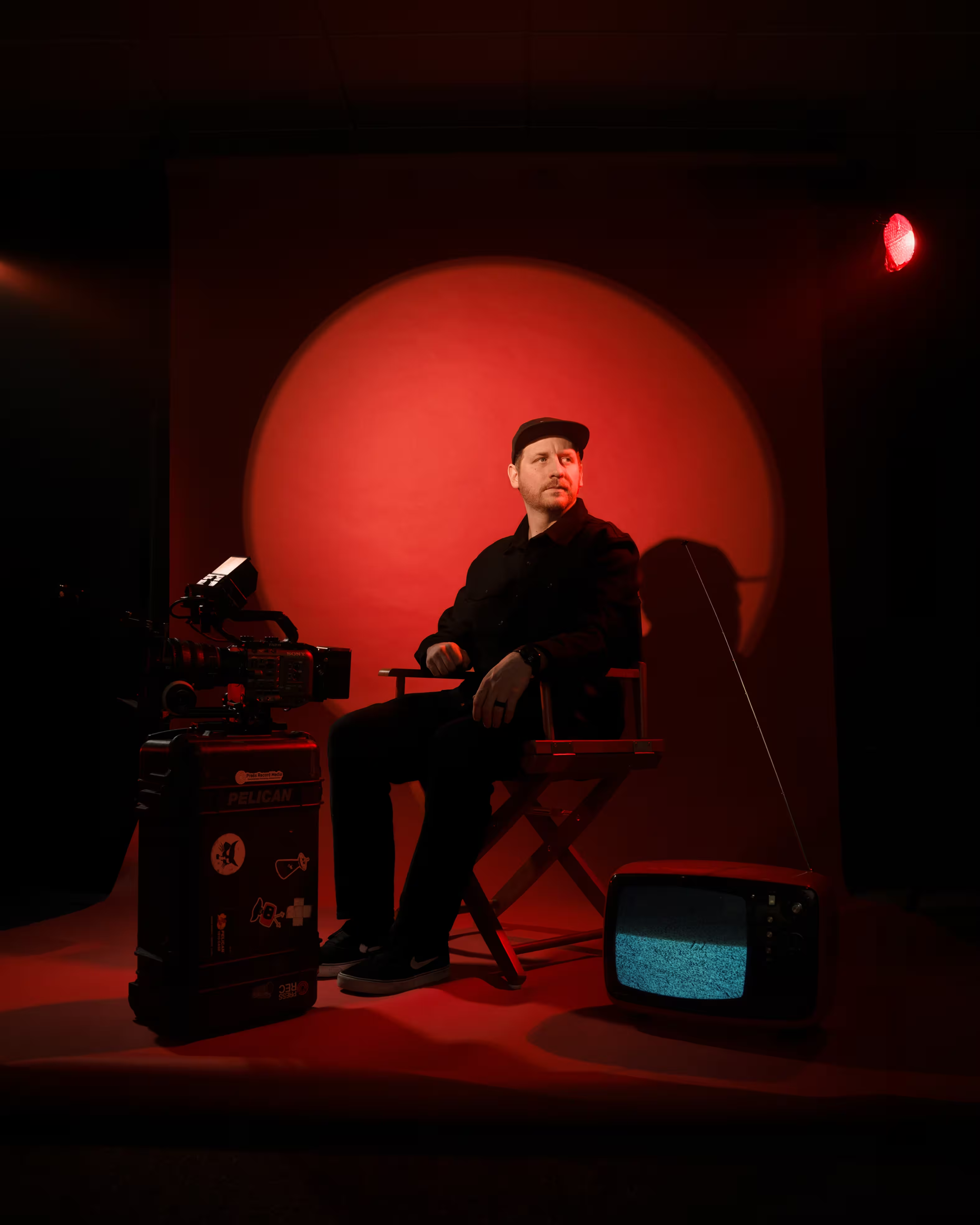
Watch your lighting. Natural light can set a beautiful tone, but avoid harsh shadows or blown-out shots. Thoughtful lighting, paired with intentional framing, shapes how a viewer actually connects with the story.
Location matters just as much. Every setting adds something to the story, so pick backdrops that are relatable or visually strong to give the documentary real depth.

Editing and Post-Production
Thoughtful editing is where a documentary truly comes to life. This is where you shape the story, sharpen its pace, and bring out its real emotional weight. It's your chance to cut what doesn't serve the story and tailor it so it actually resonates.
Music and sound design matter here too. A well-placed score can bring out real emotion, while sound effects add realism. Be intentional about how these choices support your visuals.
Transitions should feel natural. A cut that's too aggressive or jarring can throw a viewer off. Instead, use transitions that guide a viewer smoothly through the story.

Distribution and Promotion
Planning how you'll actually get your documentary in front of people matters. Decide which platforms fit your film best, streaming, film festivals, or traditional TV. Understanding how your audience actually watches is key to reaching them.
Start promoting early. Build real material that teases the film, a trailer, behind-the-scenes footage. Social media is a strong way to build real buzz and gather an audience.
Talk with viewers after it's out. Gather feedback and encourage real discussion to build a community around the film. That interaction builds loyalty and helps with future projects.
What It Actually Takes to Make a Documentary
Understanding these key elements puts you well on your way to making a documentary that actually works. Each piece plays a real role in bringing your story to life and connecting with an audience. Embrace the process, and let the work speak for itself.