Unlocking Authentic Stories through Documentary Production
Documentary production is one of the most powerful ways to bring an untold story to life. Whether it's showing an everyday person doing something remarkable or bringing attention to a real issue, documentary has the power to move an audience.

What Documentary Production Is Actually About
At its core, documentary production is about telling true stories. It's an art form with a real purpose, putting a spotlight on real experiences and real issues. Unlike fiction, a documentary relies on showing what actually happened.
Documentary films tend to focus on subjects that genuinely resonate with a viewer. They bridge the gap between real life and story, letting a viewer see the world through someone else's eyes. That mix of fact and narrative is what makes documentary powerful. It gets an audience to actually empathize, question, and reflect on what they're watching.
Finding Real Voices
A good documentary starts with real voices that actually resonate with an audience. Finding the real people whose stories are worth telling is at the center of it. A documentary lives on honesty, and showing a range of real perspectives is what makes a story feel complete.
When choosing who to feature, a filmmaker has to think about the emotional connection and background of each person. Honesty usually comes from real, personal experience, and weaving that into a story is what makes it land. People who are genuinely open and clear about their own journey are what actually keep a viewer watching.

Finding real voices takes more than an interview. A filmmaker should actually spend time in the community or the environment where a subject lives. That's what builds trust, and trust is what leads to the kind of honest, unscripted conversation that makes a story richer. Focusing on genuine interaction is what lets documentary production surface stories that might otherwise stay hidden.
Research and Planning: What Actually Makes a Documentary Work
Behind every good documentary is real research and real planning. The groundwork for any strong film starts long before a camera turns on, and documentary is no different.
Digging into real research doesn't just help a filmmaker understand a story, it uncovers layers that might otherwise stay buried and keeps the team ahead of problems. With a clear sense of the story, a filmmaker can map out the key moments, build a real shooting plan, and set up a production that actually runs smoothly.
During this stage, talking to real experts, stakeholders, and community members brings in insights that make the story richer. That's what opens the door to a documentary that's both honest and worth watching.
Capturing Real Moments: How to Actually Film a Documentary
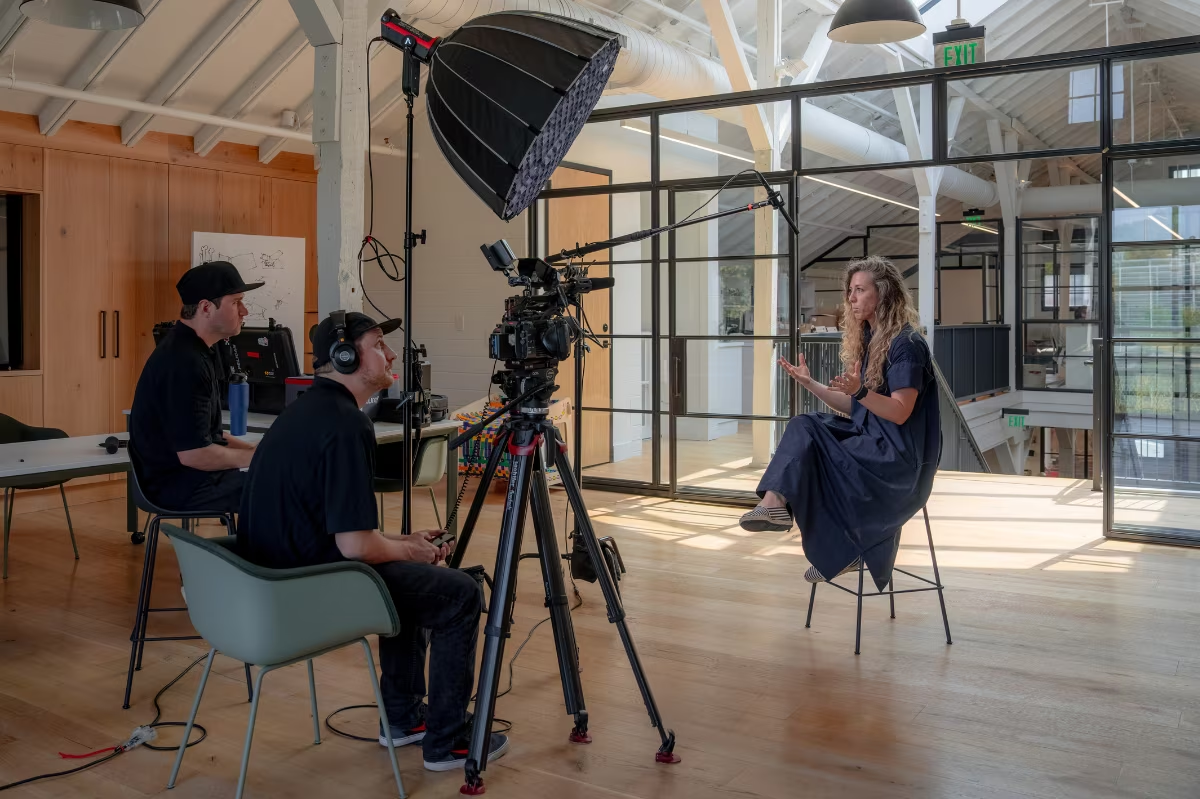
Documentary filming comes with real challenges that require a filmmaker to stay adaptable. Capturing a real moment as it happens is what actually gives a story its emotional weight. Unlike a scripted film, a documentary often depends on timing and the unplanned, which makes real preparation essential.
A filmmaker has to be ready to adapt, blending into the environment to build trust with the people they're filming. That low-key approach is what allows for the natural, honest moments that make a story rich.

Handheld shots, close-ups, and natural light all add up to something that actually feels real. Those choices build an intimate feel, which is what creates a real emotional connection between the viewer and the person on screen.
Editing: Where the Story Actually Comes Together
Editing is where a documentary truly comes to life. What you select and how you arrange it is what shapes a story that actually flows and holds attention.
A good editor has a clear sense of what the story is actually about and where it's headed emotionally. By building a real narrative, they weave together interviews, b-roll, and voiceover into something that actually holds together. That means making hard choices about what stays and what gets cut, based on what actually serves the story.
Transitions matter too. Whether it's a cut, a fade, or a sound bridge, these choices are what keep a rhythm that holds an audience. Getting the balance right between pace and depth is what lets a viewer actually understand something complicated without feeling lost.
In the end, editing is about making sure the real heart of the story comes through. Careful selection and arrangement is what brings out real emotion, real thought, and a lasting impression.
What Sound and Music Actually Do
You might not think of it first, but sound matters as much as the visuals in a documentary. It sets the tone, carries the story, and brings out real emotion in an audience.
Interviews, ambient sound, and music can all lift a film. Sound isn't just background, it's part of the story itself. Silence can create a real moment of reflection, while a well-placed piece of music can deepen how a viewer feels about a scene.
Getting a Documentary In Front of an Audience
Once a documentary is finished, it's time to connect with real people. The right approach to getting it seen is what determines whether it actually reaches an audience or stays in the shadows.
Film festivals give a filmmaker a real chance to connect with an audience and with people in the industry. They're a place to screen your work, get real feedback, and meet people who might want to work with you. Festivals often bring in press, which widens a documentary's reach.
Online platforms matter just as much today. A website, social media, or a streaming service can put a documentary in front of a much wider audience. Talking with viewers on social media is what builds a real community around a film and keeps the conversation about it going.
At the end of the day, getting a documentary seen comes down to building real connections. With the right approach, a filmmaker can make sure their story actually reaches the people it matters to, sparking real conversation and real change.
What Honest Story Actually Does
In a world full of noise, documentary production stands out because it uncovers real truths, gets people thinking, and builds real connection. By staying honest, planning carefully, and telling the story well, a filmmaker can make a documentary that genuinely resonates with the people watching it.