How a Good Story Changes Your Brain Chemistry
I just read a study that looked at what happens in the brain when someone watches a good story unfold.
One test group watched a film that followed a real narrative arc: setup, inciting incident, rising action, climax, resolution.
The other group saw the same characters, but just an overview of the story, hitting the major points.
The first group showed a real spike in cortisol early on, a chemical tied to tension and attention.
As the story went on, their brains also produced oxytocin, a chemical tied to empathy, bonding, and connection.
The second group, unsurprisingly, struggled to care about the characters or the message at all. That study measured how likely people were to donate to a cause afterward, and group one gave far more. No surprise there. Story is how we connect and understand each other. And while a brand isn't a person, it's made up of people trying to connect with people.
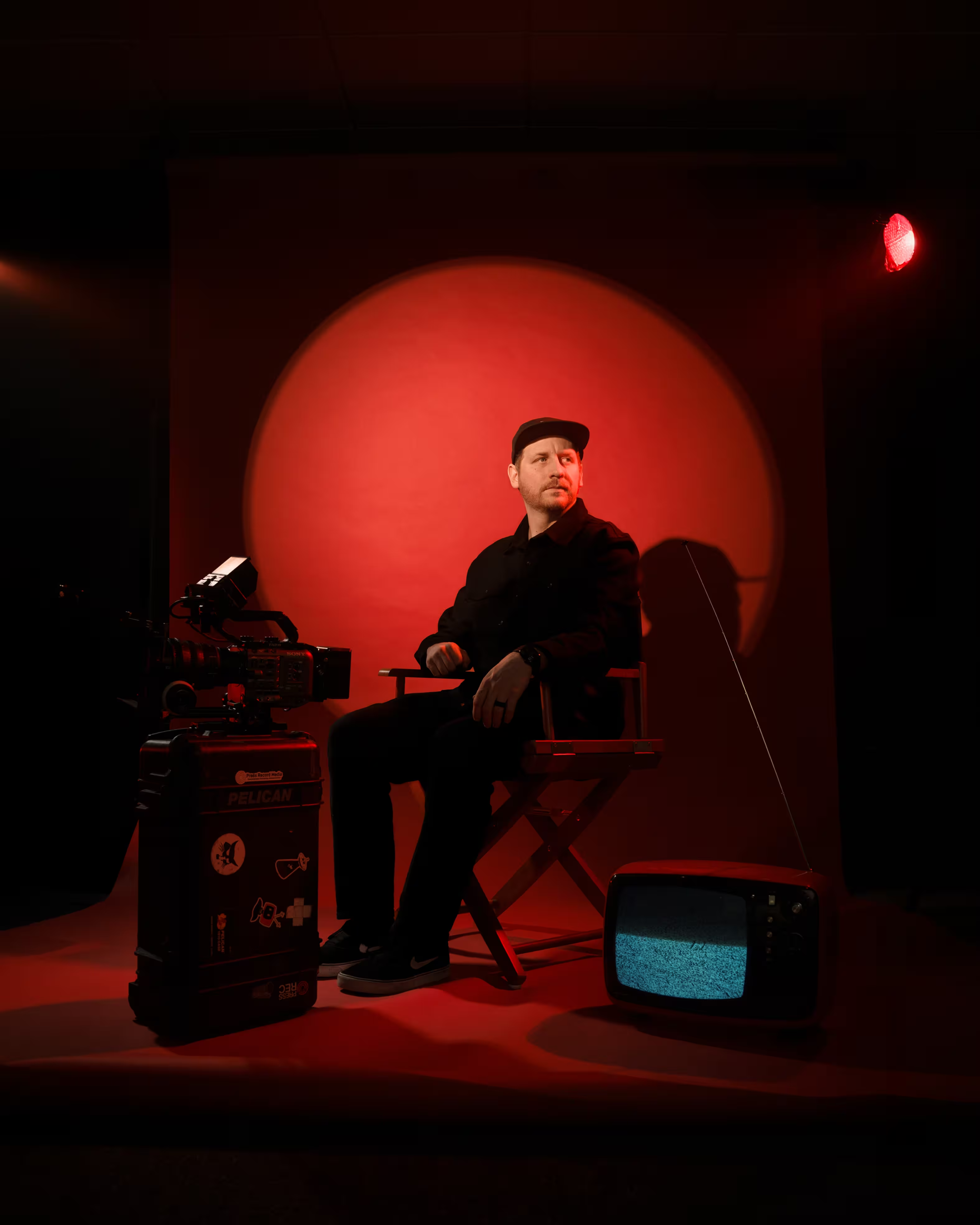
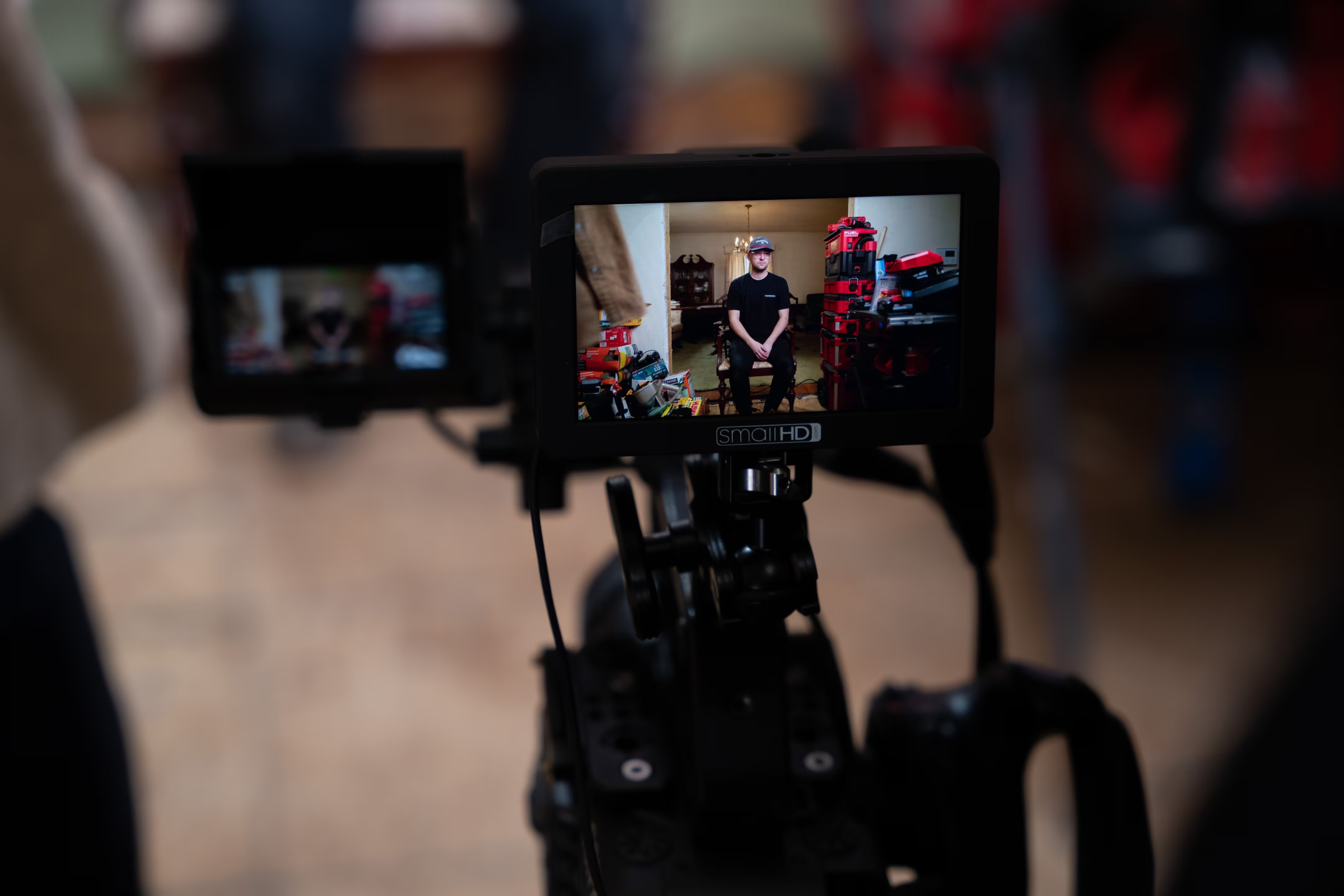
At Press Record Media, we believe telling stories on film is one of the most effective ways to connect with your audience. We've had the privilege of telling stories like Bill Hattan's, The Lodge, and the HubRTP topping out ceremony in Morrisville, and we've seen firsthand how much people actually connect with these films.
If you're interested in telling your brand's story on film, we'd love to chat.