
8 Steps to Crafting Viral Marketing Videos that Tell Your Brand's Story
People scroll past hundreds of films a day. Most blur together. A few stop the scroll. The difference is rarely budget, it's a clear plan and a real story. Here are eight steps to a film that actually holds attention and sounds like the brand that made it.

1. Know What Your Audience Actually Cares About
Figure out what genuinely matters to the people watching before you plan a single shot. Surveys help. So does actually reading how they talk on social media.
Ask real questions and pay attention to what comes back. Understanding an audience isn't only demographics, it's what they're feeling and what they actually want. The clearer that picture, the sharper the film.
That understanding is the foundation everything else in this process is built on.
2. Know What You're Actually Saying
Decide what you want someone to walk away thinking. A clear message keeps a film focused instead of trying to say five things at once.
Figure out what actually makes the brand different, and don't be afraid to include the real struggles and turning points behind it. When people see the honest version, they're more likely to relate to it, and to pass it on.
3. Write a Script That Sounds Like a Person
A strong script carries the whole film. It should sound like the brand and tell an honest story, not read like a pitch. Start with the main ideas, then build them into a real narrative.
Humor, tension, and honesty are what make a script work. Pay attention to pacing too, the right pause before a reveal does more than people expect.
4. Don't Skimp on Production
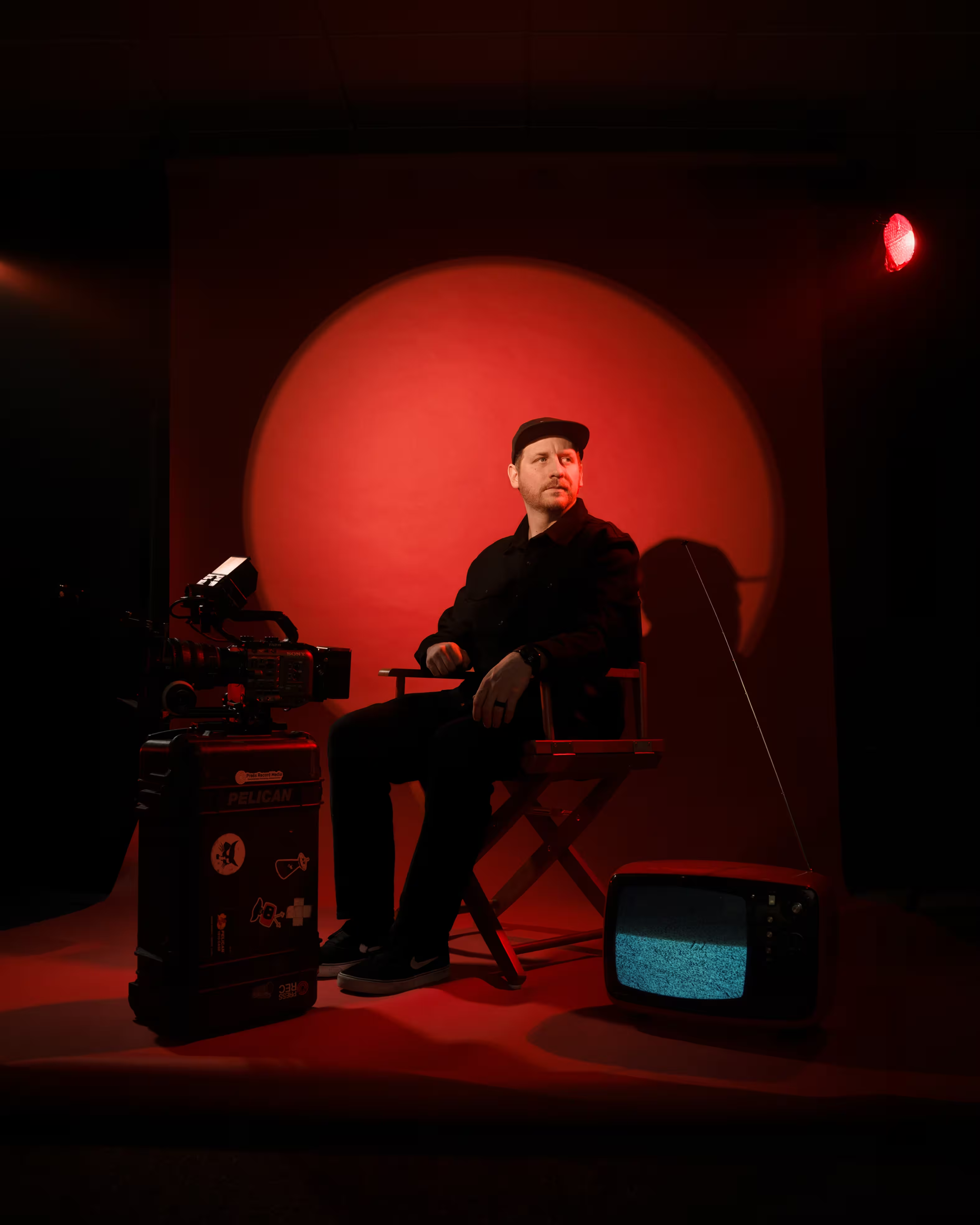
Good production makes a real difference. Whether it's real footage or clean animation, the visuals need to support the story, not distract from it. Poor quality pulls people out of the moment.
.png)
Lighting and sound matter as much as anything on screen. Most people skip a video with bad audio before giving it a real chance. Getting production right isn't vanity, it reflects on the brand itself.
5. Let the Visuals Do Real Work
Color, imagery, and composition should all support the message, not just decorate it. A consistent visual style, a color palette, a recurring motif, builds identity across everything a brand puts out.
Graphics and simple animation can clarify a hard idea faster than words can. Mixing formats keeps people watching, but every visual choice should still be in service of the story.
6. Make People Feel Something Real
Emotion is what drives sharing. A film that connects, through humor, honesty, or a moment people recognize from their own life, is what gets passed along.
Real stories rooted in real struggle tend to land the hardest. When someone sees their own experience reflected honestly, they respond, and that response is what turns a viewer into someone who shares.
7. Fit the Platform It's Going To
Every platform behaves differently. A short, punchy cut works on some. A longer, fuller story works on others. Know where an audience actually spends time before deciding on format.
Match the length and style to where it's going. A short teaser built for one platform can point people toward the fuller story living somewhere else.
8. Watch What Actually Happens After
Once a film is live, pay attention. Real engagement, comments, shares, watch time, tells you what worked and what to change next time.
Respond when people comment. That back-and-forth builds a real community around the brand, and it makes the next film better than the last one.