8 Creative Ideas for Showcasing Your Space Through Architecture Video
A building or a space has its own story, and film is one of the strongest ways to tell it. Here are eight ideas for capturing a space so it actually communicates what makes it worth seeing.
1. Time-Lapse
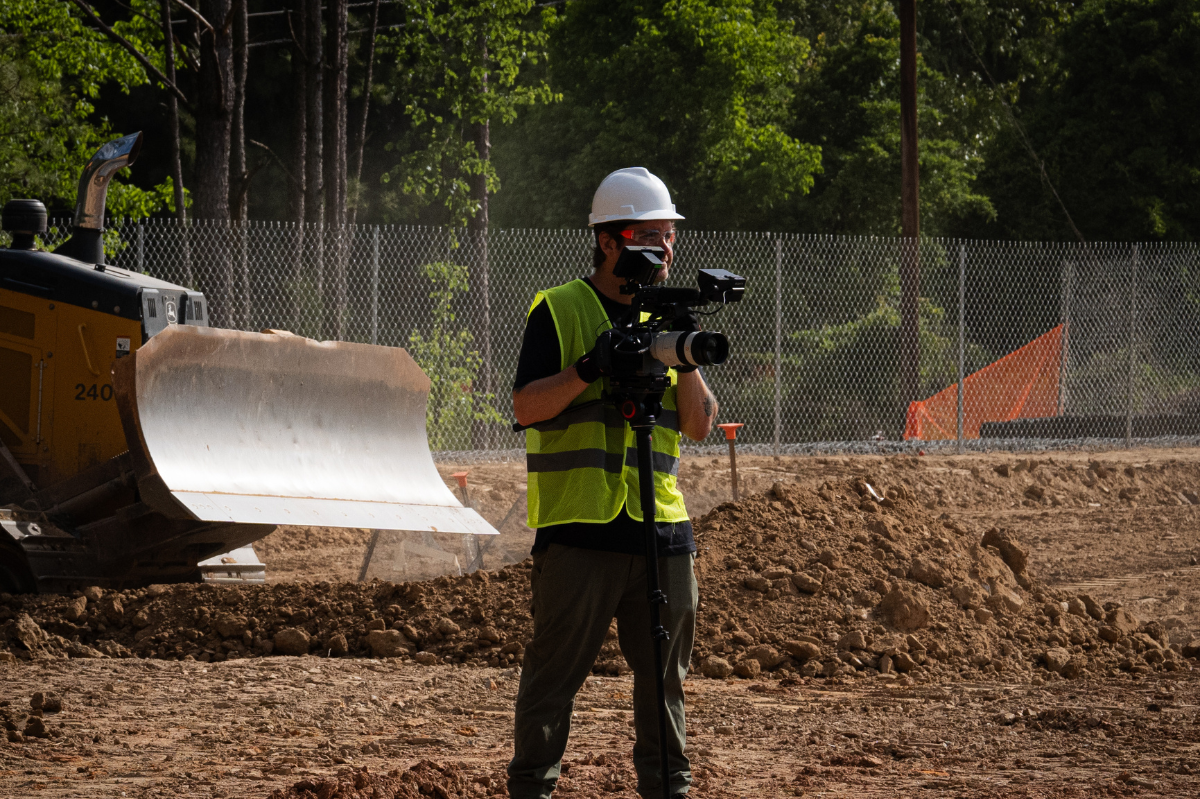
A time-lapse shows a space coming together over weeks or months, condensed into a few real minutes. Watching a building rise from the ground, or a landscape change through the seasons, tells its own story without a single word.
Choosing the right moments to include matters. Busy construction days next to a quiet, finished space can say more about the effort behind a project than any narration.
2. Drone Footage
A drone shot places a building in its real context, how it sits in the landscape, how it relates to what's around it, in a way ground footage can't.
It also shows what's nearby: the view, the neighborhood, the amenities. Someone considering a home near a hillside or a park benefits from seeing that lifestyle, not just reading about it.
3. Real Detail
Close-ups on moldings, textures, and materials let people appreciate the craftsmanship behind a space. A detail shot of a wooden beam or a tile pattern can say more than a wide shot ever could.
A short voiceover explaining a material choice adds real context. It's the difference between admiring a space and actually understanding why it was built the way it was.
4. The Space in Its Setting
Architecture doesn't exist on its own. A beach house filmed with the ocean in the background, or a city loft filmed against real street life, gives a space context that changes how it's understood.
A nearby landmark or natural feature turns a straightforward tour into something closer to an invitation, not just to see the space, but to imagine being part of what surrounds it.
5. A Real Guided Tour
Narration can help people move through a space with real understanding, not just a walkthrough. A good guide points out what actually matters: a design choice, a piece of history, a story worth knowing.
Keep the tone conversational. A plain, honest script does more to help someone feel like they're actually there than a formal one ever will.
6. Animation, Used to Clarify
Animation can make a hard-to-see idea visible, a renovation plan, a construction sequence, how a space will actually be used once it's finished.
An animated overlay on an energy-efficient feature or a design detail can explain something that would otherwise take a paragraph. Used well, it adds clarity without adding clutter.
7. Virtual Reality
VR lets someone walk through a space before it's finished, or before they've ever set foot in it. That's a real advantage, not a gimmick, especially for a buyer trying to picture themselves there.
In a market where first impressions matter this much, giving someone a way to actually stand inside a space changes how seriously they consider it.
8. Let the Space Tell a Real Story
Every space has a real story behind it, why it was built, who it was built for, what it means to the people in it. Sharing that story, honestly, is what turns a video into something people remember.
A short reflection from the people who live in it, or the architects who built it, turns a walkthrough into something closer to a real conversation about what the space actually means.